Age and Nutrition, 3 foods you should not eat as you grow older

As many people grow older, they tend to eat less. Older people tend to need fewer calories in a bid to maintain their weight. If you continue to eat the same number of calories per day as you did when you were younger, you could easily gain extra fat, especially around your tummy. However, even though older adults need fewer calories, they need just as high or even higher levels of some nutrients, compared to younger people. This makes it very important for older people to eat a variety of whole foods, such as fruits, vegetables, fish and lean meats. These healthy staples can help you fight nutrient deficiencies, without expanding your waistline.

Eating a well-balanced diet is an important part of staying healthy as you age. It can help you maintain a healthy weight, stay energized, and get the nutrients you need. It also lowers your risk of developing chronic health conditions, such as heart disease and diabetes. To meet your nutritional needs, eat foods that are rich in fiber, vitamins, minerals, and other nutrients. Limit foods that are high in processed sugars, saturated and trans fats, and salt. You may also have to adjust your diet to manage chronic health conditions.

Limit foods that are high in calories but deficient in nutrients. Here are some foods that you might need to avoid all together. 

  1. Deep fried foods: As you grow older, you should look to avoid meals with heavy oils and excess fat. An option of boiled meats is preferred over fried ones. This means you can maintain your calorie intake without cutting back on meals you enjoy
  2. Sweetened and Alcoholic beverages: You should always look to drink water regularly to hydrate your skin and kidneys. Improved kidney health translates to an improved health 
  3. Desserts and Junk foods: Your doctors will recommend that you generally cut down on sweetened foods like ice creams and chocolates. As you grow older, your blood sugar level will need to be monitored in order to reduce risks of diseases like diabetes. 

What should you be eating? 

  • Fiber; Fiber is very good for a healthy digestive system. It helps to avoid constipation and other food related problems. Soluble fiber is especially important for maintaining healthy cholesterol levels. Good sources of fiber include: fruits and vegetables, beans, nuts, oats etc. 
  • Fruits and vegetables: Your meals should contain moderate amounts of fruits and fresh vegetables. A high amount of nutrients are also in fruit shakes and salads . 
  • Proteins- Eating enough protein helps prevent the loss of lean muscle mass. But older adults often eat too little protein, especially adults ages 71 and older. Following recommendations, older adults can seek protein sources like seafood, dairy, soybeans, beans etc. 

Paying attention to your body is the key to maintaining a healthy lifestyle as you grow older. You’ll see regularly how your body reacts to things that you eat. Follow recommendations and exercise daily. You’re on your way to living your best life. 


5 exercise routines for elderly people

If you do not like working out, you’re not alone. Oftentimes, exercise activities are followed by heavy sweating and muscle aches, so we understand how this can pose a challenge to people who want to get in shape and even older people. 

The key is finding activities that are fun and enjoyable. Remember that mixing different types of physical activity helps to both keep your workouts interesting and improve your overall health. Here are a few tips before exercising as it applies to your health

  • Get a medical check-up before you begin a moderate to vigorous exercise program, particularly if you are older than 40, if you have medical problems, or if you have not exercised previously.
  • Eat and drink appropriately. Don’t eat for two hours before you exercise, but drink plenty of water before, during, and after exercise, particularly in warm weather.
  • Warm up before you exercise and cool down afterwards. Stroll before you walk, and walk before you jog.
  • Dress simply, aiming for comfort, convenience, and safety rather than style.

Regular exercise helps people age more slowly and live healthier, more vigorous lives. And it also helps people live longer. Getting active can be one of the best decisions you can make as you grow older. Physical activity will greatly improve your health however, you must be cautious in your approach to activities as it relates to your health. Here is a list of physical activities you can engage in as you age. 

  1. Walking: Walking is a perfect way to start exercising. It requires no special equipment, aside from a pair of comfortable walking shoes, and can be done almost anywhere. You can have a routine walk every morning and evening as it applies to your schedule and you can combine it with other activities such as listening to music or a podcast, or having a chat with someone who walks alongside you. The goal is for any physical activity you engage in to be fun and interesting enough for you to maintain a routine
  2. Senior sports or Fitness classes: Gyms and other recreational facilities often make room for adult exercises in a bid to accommodate everyone and improve overall fitness. A special gym instructor as well as working out with others can greatly improve one’s physical health  
  3. Water Aerobics/Water Sports: Physical activities like swimming and other water aerobics are some of the best ways to help improve one’s health as you age. Working out in water helps to reduce stress and strain on the body’s joints.
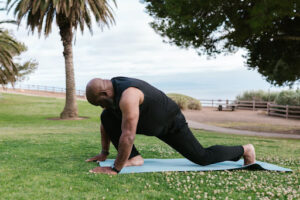
  4. Yoga: Yoga combines physical activity with breathing exercises so they help to greatly improve cardiovascular function as well as mental wellness. Yoga often acts as a great stress reliever and it is not as physically strenuous as regular gyming activities
  5. Running: Just like walking, running can greatly improve your physical fitness. As one grows older, it is important to pace yourself and realize that running routine that works for you. 

If you haven’t been active in a while, build up your exercise program little by little. Try spacing workouts in ten-minute increments twice a day. Or try just one class each week. If you’re concerned about falling or have an ongoing heart problem, start with easy chair exercises to slowly increase your fitness and confidence.

Fitness as we age, why is it so important?

As one grows, it is important to live an active lifestyle. An active lifestyle through fitness and other exercise routines is often associated with longevity. Recent research in Sweden shows that physical activity is the number one contributor to your longevity, and it also adds extra years to your life. This addition even happens when you don’t start exercising until your senior years. Did we just give you a hack for a long life? You can say yes. Exercising and keeping fit are not only going to add years to your life, they are going to add life to your years 

Getting some level of physical activity going can help boost your energy, maintain your independence, protect your heart, and manage symptoms of illness or pain as well as your weight. Regular exercise is also good for your mind, mood, and memory. Physical fitness levels can greatly increase and improve the quality of one’s life and help remain vibrant and very active. 


As we age, many different changes happen to our bodies. Some of the changes of aging start as early as the third decade of life. After age 25 – 30, for example, the average man’s maximum attainable heart rate declines by about one beat per minute, per year, and his heart’s peak capacity to pump blood drifts down by 5%–10% per decade. That’s why a healthy 25 year old heart can pump 2½ quarts of blood a minute, but a 65 year old heart can’t get above 1½ quarts, and an 80 year old heart can pump only about a quart, even if it’s disease-free.


An active lifestyle becomes way more imperative as we grow older and its many benefits to our overall health and well being cannot be overemphasized. Below are some of the health benefits associated with physical activity 


  1. Weight loss or maintenance: Naturally, as one grows older, your metabolism slows down and this can have its effects on your weight and this can pose a challenge to maintaining your weight. Regular exercise helps increase your metabolism and build muscle mass, helping your body to burn more calories.
  2. Reduce illness or impact of diseases: An improved immune system and better digestion are well associated with exercising. Adults who engage in physical activities are also known to have better blood pressure and bone density, and also have a lower risk of Alzheimer’s disease, diabetes, obesity, heart disease, osteoporosis, and certain cancers.
  3. Improved sleep: As you grow older, the importance of sleep cannot be overlooked as the quality of your sleep influences the quality of your life. Regular activity can help you fall asleep faster, sleep more deeply, and wake feeling more energetic and refreshed.
  4. Improved brain function: Exercising can aid brain functions as diverse as multitasking and creativity, and help to prevent memory loss, cognitive decline, and dementia. Getting active may even help slow the progression of brain disorders such as Alzheimer’s disease
  5. Improved self confidence and overall mood: Regular exercise can be a huge stress reliever and the endorphins produced can help to reduce feelings of sadness, depression, and anxiety. Being active and feeling strong can also help you feel more self-confident.


Getting regular exercise done can be challenging and it doesn’t get any easier as you grow older. Taking active steps towards building a quality lifestyle is however important for one to maintain optimal living. Reaping the rewards of a good exercise lifestyle doesn’t have to follow strenuous days in the gym or long distance running. A good exercise routine can be more movement and activity for your body even in small ways. No matter your age or physical condition, it’s never too late to get your body moving, boost your health and outlook, and improve how well you age.